






Dear Friends and Neighbors,
With Labor Day behind us and fall underway, it’s hard to believe how quickly the past few months have gone. It’s been a full summer in the 10th District, both on the farm and in my work as your state senator.
I’ve had plenty of opportunities to get around the district, meeting with community members, local leaders, businesses and organizations. Those conversations are one of the most valuable parts of this job. Hearing directly from the people I represent about what’s working, what isn’t and what our communities need helps guide the work I take back to Olympia.
As we head into fall, I’m also beginning to look ahead to the legislative session in January and the issues we’ll need to tackle when we return to Olympia. And there is plenty of work to do.

A closer look at Washington’s budget
Washington operates on a two-year budget cycle. In odd-numbered years, like 2027, the Legislature meets for 105 days and writes a new two-year state budget. In even-numbered years, we meet for 60 days and typically make adjustments to that budget through the supplemental budget process.
That makes 2027 a budget year, and I expect the state’s finances to be one of the biggest issues we face.
Families and businesses are already seeing, or soon will see, the effects of tax and fee increases approved in 2025. Among them:
- Sales taxes were expanded to services including temporary staffing, security, advertising and IT-related services.
- B&O taxes increased for many businesses, with another rate increase for manufacturers, wholesalers and retailers scheduled to take effect Jan. 1, 2027.
- Hunting and fishing license fees increased 38%.
- The Discover Pass increased 50%, from $30 to $45.
- Marriage licenses increased by $100.
- Working Connections Child Care copays are scheduled to double for participating families beginning Oct. 1, 2026.
Taken together, legislative budget materials project the major tax measures approved in 2025 will increase state and local taxes by more than $12 billion over four years.
Yet even after those increases, we are heading into 2027 with a difficult financial picture. In my view, the problem isn’t that Washington isn’t collecting enough money. It’s that state government has been spending too much.
Just look at how much the operating budget has grown over the past decade:
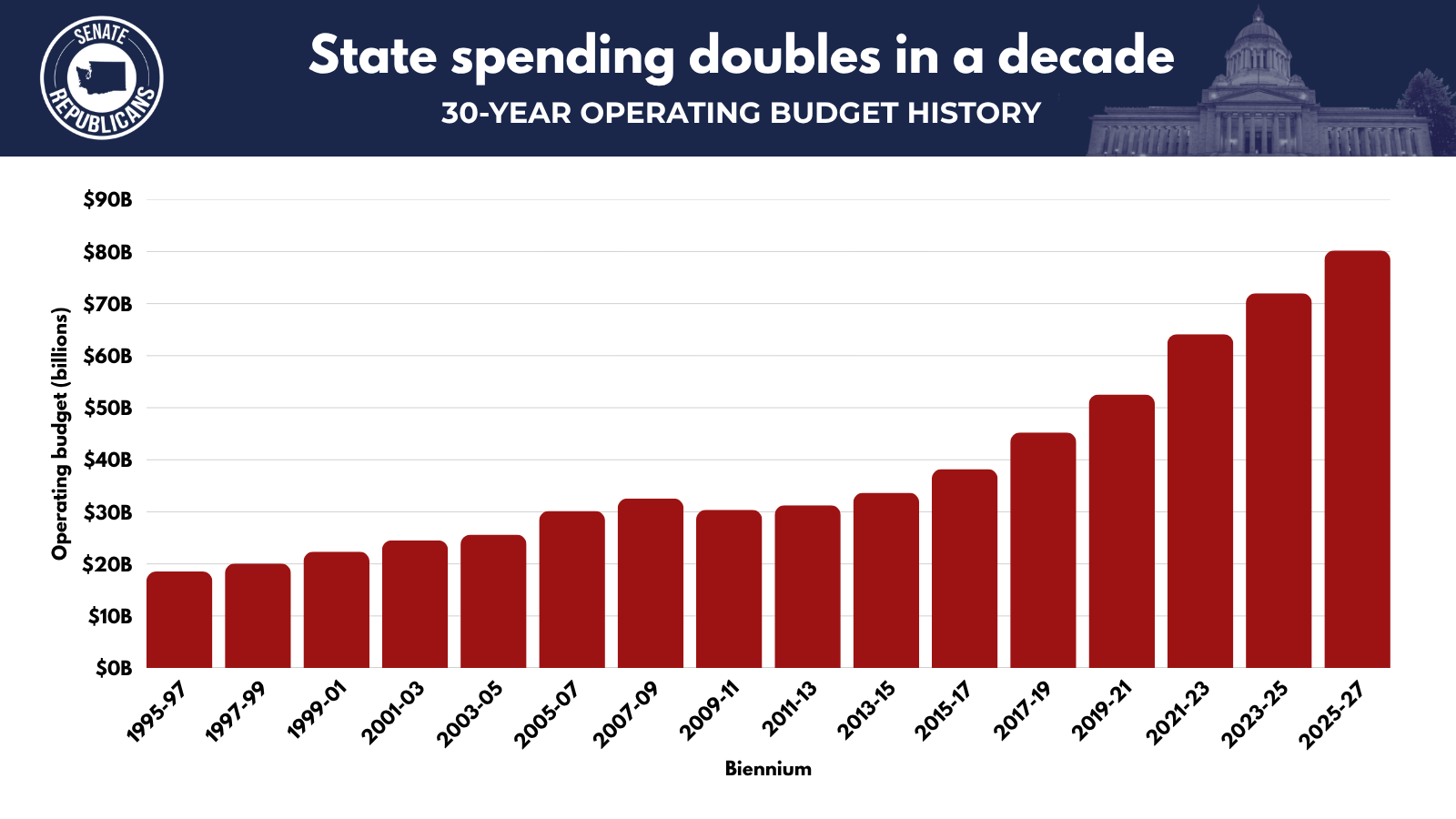
A decade ago, the 2015-17 operating budget was about $38.2 billion. Today, the 2025-27 operating budget is about $80.2 billion. State spending has more than doubled in 10 years.
The next state revenue forecast is scheduled for Sept. 25, and I’ll be watching those numbers closely. It will give us an updated look at state revenues as we prepare for January. We won’t have the clearest picture of what it will cost to maintain current programs and services in the next budget until the November revenue and caseload forecasts are available.
Whatever those forecasts show, I believe the larger challenge going into the 2027 session is clear: We need to get state spending under control. We can’t continue growing spending at this pace and expect families and businesses to make up the difference. We need to set priorities, protect essential services and take a careful look at where taxpayer dollars are going, what is working and where we can do better.
Those are important conversations we need to have when we return to Olympia in January.
The price of diesel hits close to home
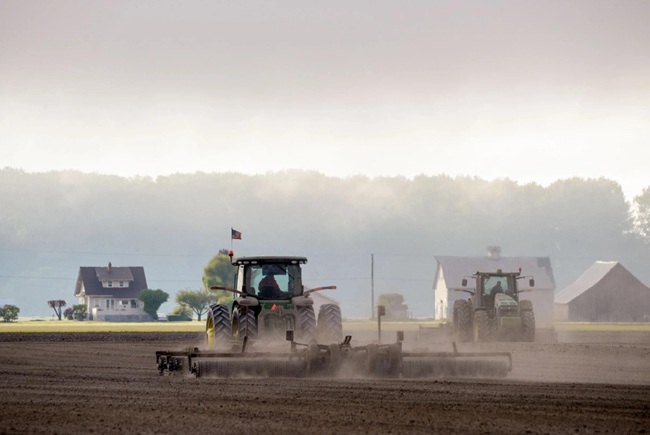
As a farmer, I don’t need a news report to tell me what higher diesel prices mean for agriculture. My family operates a farm here in the 10th District, and like farmers across Washington, we depend on diesel to keep tractors, trucks and other equipment running.
When the price of diesel goes up, the cost of farming goes up with it. And those costs add up quickly. One Washington farmer recently told reporters he purchased 4,000 gallons of diesel at more than $5 a gallon. Another described how a large tractor can burn 10 to 15 gallons an hour during busy times of the year.
The challenge for farmers is that we often can’t simply pass those higher costs along. Many agricultural commodities are sold into national or global markets, which means farmers have little control over the price they receive for what they grow.
The war in Iran and disruptions in global energy markets have certainly contributed to the recent spike in fuel prices. But for Washington farmers, that’s only part of the story. Long before the latest increase in oil prices, state taxes and climate policies were already adding to the cost of fuel in Washington.
The state diesel tax increased to 59.5 cents per gallon on July 1. Washington also has the Clean Fuel Standard and the Climate Commitment Act, which place requirements on transportation fuels. The Clean Fuel Standard also affects the cost of gasoline and diesel, although fuel used for farming is generally exempt.
The CCA has been especially frustrating for agriculture. Qualifying agricultural fuel is supposed to be exempt from CCA compliance costs. But from the beginning, farmers reported paying CCA-related fuel surcharges anyway.
And we’re not talking about pennies. Based on the most recent Cap-and-Invest auction, the current allowance price represents about 40 cents per gallon of diesel. That is down from about 65 cents following the June auction, but it is still a significant cost when the exemption doesn’t make its way to the farmer.
The state eventually created the Agricultural Support Program to help farmers who had paid those costs. It offered rebates of up to $4,500 for eligible agricultural fuel purchased in 2023, but the program was funded for only one year. Lawmakers tried to continue the program through House Bill 1912 in 2025, but the final budget did not include funding for those reimbursements.
Today, no state reimbursement program exists for farmers who end up paying CCA-related costs that agricultural fuel was intended to be exempt from.
For me, this isn’t an abstract policy debate. I know what it takes to keep a family farm operating, and fuel is an expense you simply can’t avoid. Every additional cost matters, especially when farmers have little ability to raise the price they receive for what they grow.
And Washington agriculture is already facing serious financial challenges. Recent USDA farm-income data have led agricultural groups to rank Washington last among the 50 states for farm profitability. That should concern all of us.
Higher fuel costs don’t stop at the farm gate, either. Families feel them when they fill up for the commute to work, and businesses face higher costs to move goods around the state. For agriculture, higher costs to plant, harvest, process and transport food can also contribute to the prices consumers ultimately pay at the grocery store.
As we head into the 2027 session, I want us to take a close look at the cumulative impact of state policies on agriculture and on the families and businesses that ultimately bear those costs. And when the Legislature says farmers are exempt from a cost, we need to make sure that exemption actually reaches the farmers it was intended to protect.
Stay connected
As always, my office is here to serve you. If you have a question, concern or need help with a state agency, please don’t hesitate to reach out. Hearing from you and learning what’s happening in our communities helps me better represent the 10th District in Olympia.
As we get closer to the 2027 legislative session, I’ll continue sharing updates about the issues I’m working on, what I’m hearing from around the district and what to expect when we return to Olympia in January.
Thank you for staying engaged. It’s an honor to represent you, and I look forward to hearing from you.
Sincerely,
 Sen. Ron Muzzall, 10th Legislative District