




Author Archives: Laudan

Hospitals Are Being Set Up to Fail And Patients Will Pay the Price

Let me paint you a picture.

Imagine you’ve opened the only restaurant in your small town. It’s not easy. Finding help is tough, margins are tight, but with a lot of heart and hard work, you make it work. Folks love the place, and you’re proud to serve your community.

Then one day, the local government steps in with good intentions. They want to help folks who are struggling, so they partner with you to provide subsidized meals for lower-income families. It works! People get the meals they need, and you keep the lights on.

But over time, the funding runs dry. The state chips in for a while, but that well doesn’t last either. Suddenly, you’re required to give away a set number of free meals, on your dime. Your costs are rising, your staff is overworked, and now your profits are gone.

You try to adjust and cut back where you can. But then more rules come in: you’re told you have to serve everyone, and you’re also told how many staff you need on duty. Problem is, you can’t afford it. Eventually, you’re forced to close.

Sounds crazy, right?

But that’s exactly what’s happening to hospitals across Washington.

Hospitals are legally required to treat every patient who walks through their doors, no matter their insurance status or ability to pay. That’s the right thing to do. But when Medicaid only reimburses a fraction of the actual cost of care and when we keep piling on taxes, regulations, and staffing mandates, it creates a recipe for disaster.

Just look at Valley Medical Center. They’ve had to make painful cuts. Rural hospitals are hanging on by a thread. When they shut down or scale back, the impact is huge. People can’t get timely, life-saving care, even if they have private insurance.

This isn’t about politics. It’s about people. Whether you lean left, right, or somewhere in the middle, we all rely on hospitals to be there when a crisis hits. When the system starts to buckle, we all feel it.

Here’s what we need to do, and we need to do it together; Republicans, Democrats, and everyone in between:

  • Make Medicaid payments fair. Right now, hospitals lose money on every Medicaid patient they treat. That’s not sustainable.

  • Take a hard look at staffing and hiring rules. We need to support—not strangle—our rural hospitals’ ability to hire doctors and nurses.

  • Stop taxing our hospitals into the ground. We can’t underfund care on one hand and raise costs on the other.

Hospitals aren’t just buildings. They’re lifelines. And if we want them to be there when we need them most, we have to act now.

Let’s not wait until more hospitals close. Let’s come together and fix this before it’s too late.

Yours in service,

Signature

Senator Ron Muzzall
10th Legislative District
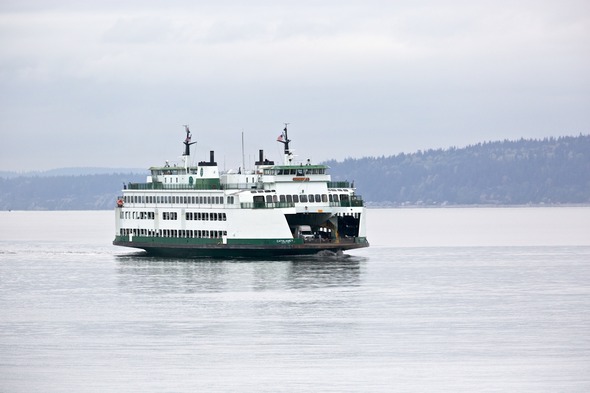
Setting the Record Straight on Ferries, Fairness, and the Facts

Neighbors,

I’ve been hearing from many of you about the recent decision to award Washington’s hybrid-electric ferry contract to an out-of-state builder, and I understand your frustration. Let me set the record straight and share where I stand.

First, let’s clarify how this decision was made. The Legislature did not approve or select this contractor. We authorized funding in the transportation budget to get new boats built, something we all agreed was overdue. But the final authority to award the contract lies with Washington State Ferries (WSF), the Department of Transportation (WSDOT), and ultimately the Governor’s office. Like many of you, I was surprised by the announcement, and disappointed that key transportation leaders weren’t briefed before it was made public. That’s a problem. Big decisions deserve transparency and full input from all sides, not press releases after the fact.

Now, let’s talk about the numbers. The Florida-based company came in with a bid around $714 million. Nichols Brothers, our in-state shipbuilder on Whidbey Island, came in closer to $1.07 billion, a $356 million difference. That’s staggering. House transportation leaders noted that even with a 13% in-state bidder preference, a well-established Washington company couldn’t come close. That’s not just about price tags. It’s a reflection of the broader cost structure we’ve imposed on our own job creators.

We have to ask: Why is doing business in Washington so expensive that local firms are priced out of public contracts? It’s not a question of talent or capacity, Nichols Brothers has a proven track record. But years of added taxes, regulations, wage mandates, and compliance costs have taken their toll. And with more tax increases passed this session, it’s only getting harder for our local businesses to compete.

That said, after years of delays and missed timelines, I am relieved to see construction finally moving forward. We were supposed to have new ferries in the water already under the original schedule, but high bids from in-state builders prevented us from proceeding. Constituents in our district, who rely on these ferries every day, deserve real progress, not more broken timelines.

This contract is about more than ferry construction. It’s about our state’s future. Are we building a Washington where we support in-state manufacturing and keep jobs here? Or are we creating a climate where even our most capable employers are forced to the sidelines?

I’m digging into what the law allows when it comes to prioritizing local contractors. We do have an in-state bidder preference, but it’s not a blank check, and it doesn’t apply when the cost difference is this large. We have to be responsible with taxpayer dollars. But we also have to ask hard questions about why those costs are so high in the first place.

Here’s what I can promise:

  • I’m committed to getting the facts, all of them.

  • I’m committed to transparency, even when the process around me isn’t.

  • And I’m committed to defending our local communities and industries, not just in ferry contracts, but in every policy decision that affects their ability to survive and grow.

This isn’t a black-and-white issue. It’s complicated, and I won’t jump into one camp or the other just because it’s politically convenient. That’s not how I do things. I owe you thoughtful, honest leadership, and that means asking tough questions, even when the answers aren’t easy.

Thank you for reaching out. Keep pushing. Keep asking. Keep holding us accountable. That’s how we fix what’s broken, together.

Sincerely,

Signature

Senator Ron Muzzall
10th Legislative District
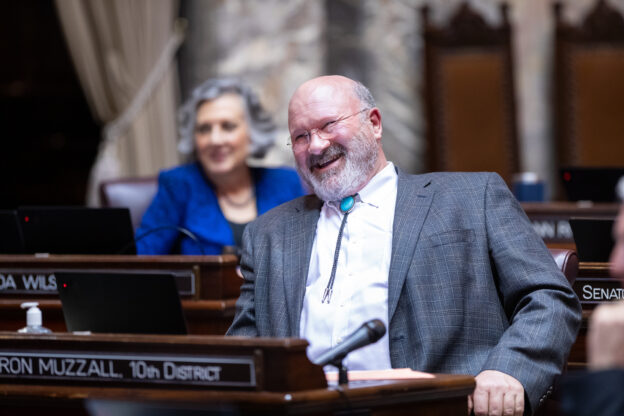
Sen. Muzzall recognized for protecting health care safety net in 2025 session

State Sen. Ron Muzzall, R-Oak Harbor, has been recognized by the Washington Association for Community Health and the Community Health Network of Washington for his work to protect essential health care safety net programs during the 2025 legislative session.

In a letter sent to Muzzall, the two organizations, which represent Washington’s 28 Federally Qualified Health Centers (FQHCs), thanked him for his efforts to safeguard Medicaid and other critical services in a challenging budget year.

“Your leadership helped prevent cuts that would have left patients without coverage and forced clinics to reduce services or staff,” the letter stated.

Muzzall worked to maintain funding for several vital programs, including the Medicaid pharmacy benefit, adult dental benefit, Apple Health expansion and services for individuals who are aged, blind or disabled. These programs serve medically underserved residents, regardless of their ability to pay.

The budget also included investments that expand access to care, including:

  • Ongoing funding for 17 school-based health centers and $2.6 million in capital investments for five new centers.
  • $5.5 million in capital funding for six community health center dental projects, expected to serve 21,000 new patients and support more than 74,000 appointments annually.
  • A provision directing the state Health Care Authority to develop value-based payment models in Medicaid that reward quality outcomes and promote equitable, team-based care.

Joe Vessey, CEO of Community Health Center of Snohomish County, praised Muzzall’s efforts.

“Sen. Muzzall’s support of community health centers like Sea Mar Community Health Centers and Community Health Center of Snohomish County is vital to our ability to continue to serve our patients,” Vessey said. “We thank him for his hard work this legislative session to protect the health care safety net. Sen. Muzzall’s leadership on health care helps ensure that all Washingtonians can continue to access the care they need and deserve.”

Muzzall, the ranking Republican on the Senate Health and Long Term Care Committee, said ensuring continued access to care is one of his top priorities.

“Community health centers are a cornerstone of health care in Washington,” Muzzall said. “I’m proud to support the safety net that serves families, children, seniors, and individuals who might otherwise fall through the cracks.”

Hospital Cuts Show Democrats Ignored Repeated Warnings on Health Care Crisis

Following the announcement of major service and job cuts at Valley Medical Center, State Senator Ron Muzzall, R-Oak Harbor, issued the following statement criticizing legislative Democrats for ignoring repeated warnings about the mounting financial crisis in Washington’s health care system:

“This is what happens when warnings go unheeded. For years, especially during my time as ranking member of the Senate Health & Long Term Care Committee, I’ve been the canary in the coal mine, sounding the alarm that our hospitals are financially suffocating under the weight of unsustainable policies, underfunded mandates, and new taxes. This year, the majority party added insult to injury with $200 million in cuts and additional taxes that directly threaten care for our most vulnerable.”

Valley Medical Center, which serves over 600,000 residents in Southeast King County and a high proportion of low-income and minority patients, announced it will close two inpatient units and five clinics by the end of June. The cuts impact more than half of the hospital’s 4,000 employees. The closures come amid a backdrop of Medicaid reimbursement shortfalls and new legislative budget measures that exacerbate hospital financial strain.

“Let’s be clear: This is not just about numbers on a balance sheet; this is about real people losing access to essential care in their communities. Clinics are closing, inpatient care is disappearing, and thousands of patients are being left with fewer options. We’ve warned the majority that this system is cracking. Their response has been, at best, one of indifference. In one ear and out the other.”

Muzzall pointed to the sudden end of a Medicaid reimbursement program and the Legislature’s failure to renew critical funding streams as further examples of neglect. The latest biennial budget included tax hikes and cuts that the Washington State Hospital Association now says will cost hospitals an estimated $200 million annually.

“This isn’t isolated. It’s a preview. Valley is the first major system to make drastic cuts, but more will follow if we don’t change course immediately. This isn’t about partisanship, this is about access to health care. When hospitals close services, it’s the people with the fewest resources who pay the highest price.”

Muzzall said he will continue advocating for immediate action to stabilize hospital funding and roll back punitive tax measures before more communities suffer.

“We need policies that actually support our health care providers, not punish them. The Legislature must act before we see the collapse of more clinics, more departments, and eventually, entire hospitals.”

Sen. Ron Muzzall Supports Bipartisan Transportation Budget

State Sen. Ron Muzzall, R-Oak Harbor, voted in support of the 2025–27 transportation budget, citing long-overdue investments in public safety,  including, for the first time ever, dedicated funding to begin addressing the growing number of suicides at Deception Pass Bridge.

The final transportation budget, Senate Bill 5161, was approved by strong bipartisan majorities in both chambers. Muzzall also supported Senate Bill 5801, an additive revenue package designed to stabilize long-term transportation funding. Together, the bills reflect a negotiated compromise that adjusts earlier proposals to be more responsive to concerns raised by rural lawmakers and working families.

“This was not a perfect budget,” Muzzall said. “I have serious concerns with several of the funding mechanisms, including increases in gas taxes, vehicle fees, and taxes on certain purchases. These hit rural communities like mine the hardest. But ultimately, I supported the budget because it delivers critical investments in infrastructure and public safety, including a long-overdue step to prevent further tragedies at Deception Pass.”

Deception Pass Bridge, an iconic and heavily traveled link to Whidbey Island, has in recent years become a site of frequent suicides. First responders in the region now report responding to a suicide attempt approximately every two weeks, a rate that has taken a growing toll on emergency personnel and grieving families alike.

“For years, our community has called for action to address the heartbreaking number of lives lost at Deception Pass,” said Muzzall. “This budget finally responds to that call with real funding, and I wasn’t about to let that progress get sidelined.”

The transportation revenue package in SB 5801 is expected to generate $3.2 billion over six years. Notably, the final version was scaled back from earlier proposals. Lawmakers reduced the proposed gas tax increase from 8 cents to 6 cents per gallon and removed a controversial new tax on recreational boats. Other key revenue sources include:

  • A phased 6-cent gas tax increase, the first in nearly a decade;
  • New diesel taxes;
  • Higher weight-based vehicle fees beginning in 2026;
  • An increase in the motor vehicle sales tax;
  • A redirection of a portion of the existing state sales tax toward transportation projects;
  • New luxury taxes on high-end vehicles and aircraft.

The final package reflects extensive bipartisan negotiations and was praised by leaders on both sides for its pragmatic approach to maintaining Washington’s transportation system while addressing revenue shortfalls caused by declining gas tax collections and rising construction costs.

Muzzall acknowledged the burden some elements of the plan may place on his constituents, but said the improvements made to the original proposal, combined with the life-saving potential of the suicide prevention measures, warranted support.

“This is what compromise looks like,” he said. “We must continue to hold ourselves accountable for funding infrastructure in a way that’s fair and equitable, not just shifting the cost onto those who can least afford it. But when lives are on the line, especially at Deception Pass, we cannot delay action any longer.”

Opposing Medicaid cuts for postpartum care

As a legislator, a father of three daughters, and now a grandfather, I’ve always believed that how we support mothers and babies says a lot about who we are as a state. It’s why I’ve worked across the aisle to improve maternal health care and ensure new moms have the support they need, not just during pregnancy, but well after birth.

That’s why I’m deeply concerned about House Bill 2041. This bill would cut postpartum Medicaid coverage in half, from 12 months to just six. It’s a move that might save the state under $3 million a year, but the real cost would be measured in lives lost and families broken.

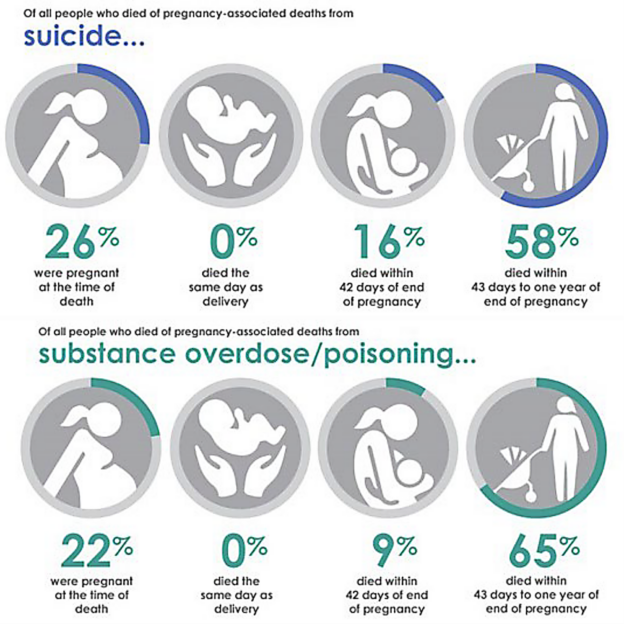
Here’s the reality: According to the Washington State Maternal Mortality Review Panel, nearly one-third of pregnancy-related deaths happen in that critical window after birth, the timeframe when this bill would eliminate coverage. These are not just numbers. These are preventable tragedies, often tied to mental health challenges like suicide and substance use, conditions that can emerge or worsen well after the six-month mark.

In 2021, we did the right thing by passing a bipartisan law I co-sponsored to extend postpartum coverage to a full year, Senate Bill 5068. The goal was simple: save lives and reduce disparities, especially for women in rural areas and communities of color. We knew then, and still know now, that 80% of maternal deaths in our state are preventable.

Rolling back that progress now, especially when 44 other states (many led by Republicans) have chosen to expand postpartum coverage, would make Washington an outlier in the worst way. And it would send a harmful message about our priorities.

This issue also shines a light on racial disparities. American Indian and Alaska Native women in Washington are over eight times more likely to die from pregnancy-related causes than white women. Many of these women rely on Medicaid. Cutting coverage could widen the very gaps we’ve been trying to close.

At the same time, legislation I introduced this year, Senate Bill 5075, which would have ensured comprehensive prenatal and postnatal care with no out-of-pocket costs, was blocked from moving forward by the Democratic majority.

We can’t say we care about equity, maternal health, and families while cutting support for moms during their most vulnerable time.

I’m calling on my colleagues, especially those who have championed maternal health in the past, to stand strong now. Reject HB 2041. Let’s keep our commitment to mothers and babies in Washington.

Sincerely,

Signature

Senator Ron Muzzall
10th Legislative District
Joint Virtual Town Hall

Dear Friends and Neighbors,

Our work in Olympia is nearing an end, with the 2025 session expected to adjourn this Sunday, April 27. If you’ve been receiving my updates, you know that our state has been vigorously debating critical policies and spending decisions, and there is a lot to unpack. I hope you can join this bipartisan, bicameral virtual town hall to discuss what’s been happening in your state legislature. Mark your calendars.

Tuesday, May 13 at 5:30 PM

Sen. Muzzall’s bill supporting Puget Sound shrimp fisheries, phasing out trawling, signed into law

Legislation sponsored by Sen. Ron Muzzall to support Washington’s commercial shrimp industry while addressing environmental concerns associated with trawling was signed into law today. Senate Bill 5076 creates a new limited-entry license for the nonspot shrimp pot fishery in Puget Sound, marking a significant shift toward more sustainable fishing practices.

SB 5076 establishes a dedicated license for harvesting nonspot shrimp species such as dock shrimp, coonstripe shrimp, pink shrimp and others, using pot gear instead of trawl nets. The new license is intended to support small-scale fishers, ensure sustainable harvests, and improve coordination with the Washington Department of Fish and Wildlife (WDFW).

“This legislation is about supporting our local fishing communities while also being honest about the impact of our practices on the marine environment,” said Muzzall, R-Oak Harbor. “Trawling can have real, detrimental effects on the seabed and other marine life. By encouraging a transition to pot gear, we’re taking a deliberate step toward more responsible, sustainable fisheries management.”

Under the bill, WDFW may issue up to five total licenses for both shrimp trawl and nonspot shrimp pot fisheries. Importantly, existing trawl license holders will have the opportunity to convert their licenses to pot gear, facilitating a gradual but clear move away from trawling.

“The phaseout of trawling isn’t just about limiting one type of gear, it’s about protecting the long-term health of Puget Sound,” Muzzall said. “This bill encourages innovation and collaboration while preserving access for local fishers who rely on this industry to make a living.”

SB 5076 received strong bipartisan support, passing the Senate 48-0 and the House 97-0.

“This was a sensible bipartisan effort with input from across the fishing industry and both sides of the aisle,” Muzzall added. “It’s a great example of how we can come together to find smart, sustainable solutions for our natural resources.”

The new law will take effect 90 days after the adjournment of the 2025 legislative session.

Muzzall pushes back on Democrat property tax proposals, warns of harm to renters and first-time buyers

After a news conference by stakeholders and lawmakers earlier today, Sen. Ron Muzzall is echoing concerns about proposals moving through the Legislature that would eliminate or expand caps on property tax growth. He warns it could increase housing costs and affect vulnerable populations across the state

Senate Bill 5798 received a hearing in the Senate budget committee on March 31, where more than 43,680 individuals signed in to oppose the bill—a record-setting level of public feedback in the history of the Washington State Legislature.

“At a time when families across Washington are already managing higher costs of living, we need to be especially cautious about any policy that could further burden those who are struggling,” said Muzzall. “This proposal could have real consequences for renters, people on fixed incomes and those working toward homeownership.”

Muzzall noted that if the proposed policy had been in place over the past decade, it would have added more than $9,000 to the property tax bill of a $500,000 home. For this year alone, average homeowners could see an increase of approximately $2,000.

Under current law—established by voter-approved Initiative 747—annual property tax growth is limited to 1% unless voters approve a larger increase. SB 5798 would remove that restriction, instead tying it to inflation and population growth. Estimates suggest the change could cost taxpayers $6 billion over 12 years.

“This isn’t just about homeowners,” Muzzall said. “When property taxes rise, landlords may pass those costs on to tenants, which could increase rents at a time when affordable housing is already difficult to find.”

He added that seniors on fixed incomes may face difficult decisions if their housing costs increase, and younger families trying to enter the housing market could be priced out.

“We all share the goal of improving housing access and affordability, but I worry that this approach could make those challenges more difficult for the very people we’re trying to help,” he concluded.